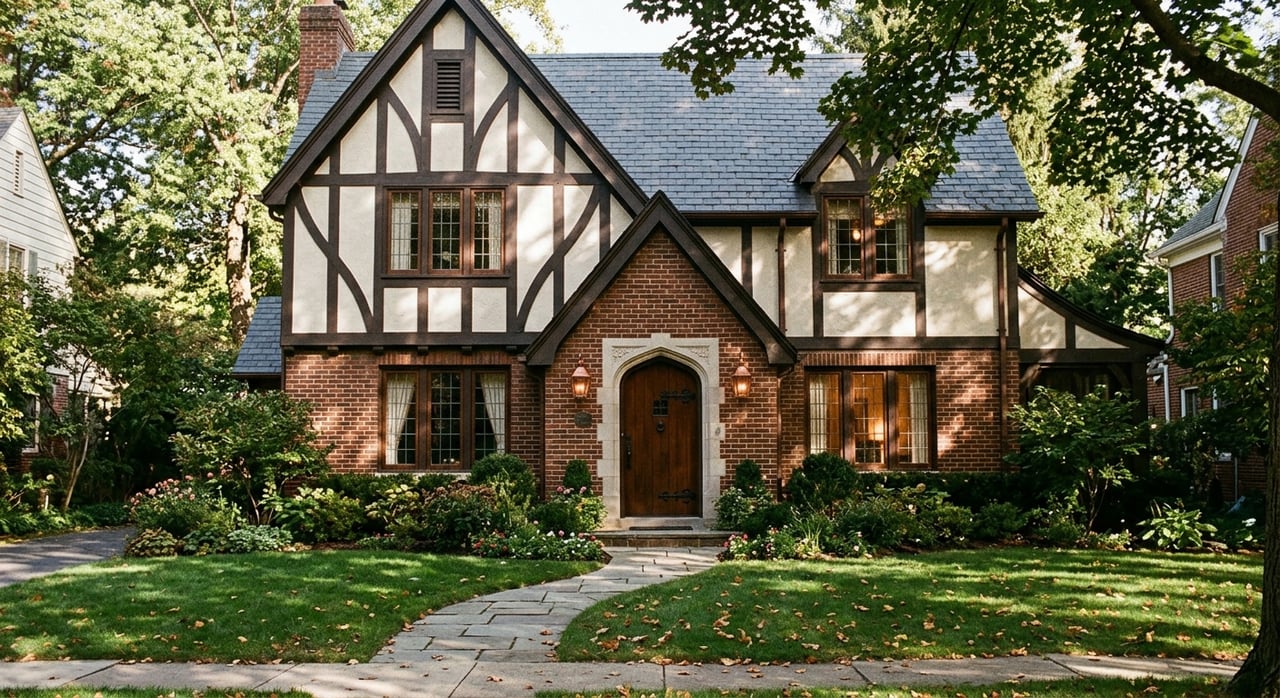
If you are drawn to homes with character, Heritage Hills stands out right away. In this part of Oklahoma City, architecture is not just something you look at from the curb. It shapes how you live, entertain, relax, and move through the neighborhood day to day. If you are curious about what life in Heritage Hills can actually feel like, this guide will help you connect the homes, streets, and nearby amenities into a clearer picture. Let’s dive in.
Heritage Hills has a distinct identity
Heritage Hills is an early 20th-century residential district just north of downtown Oklahoma City. The neighborhood came together through six residential additions platted between 1900 and 1910, with most development completed by about 1930.
It also holds an important place in local history. Heritage Hills became Oklahoma’s first locally designated historic preservation district in 1969 and was added to the National Register of Historic Places in 1979.
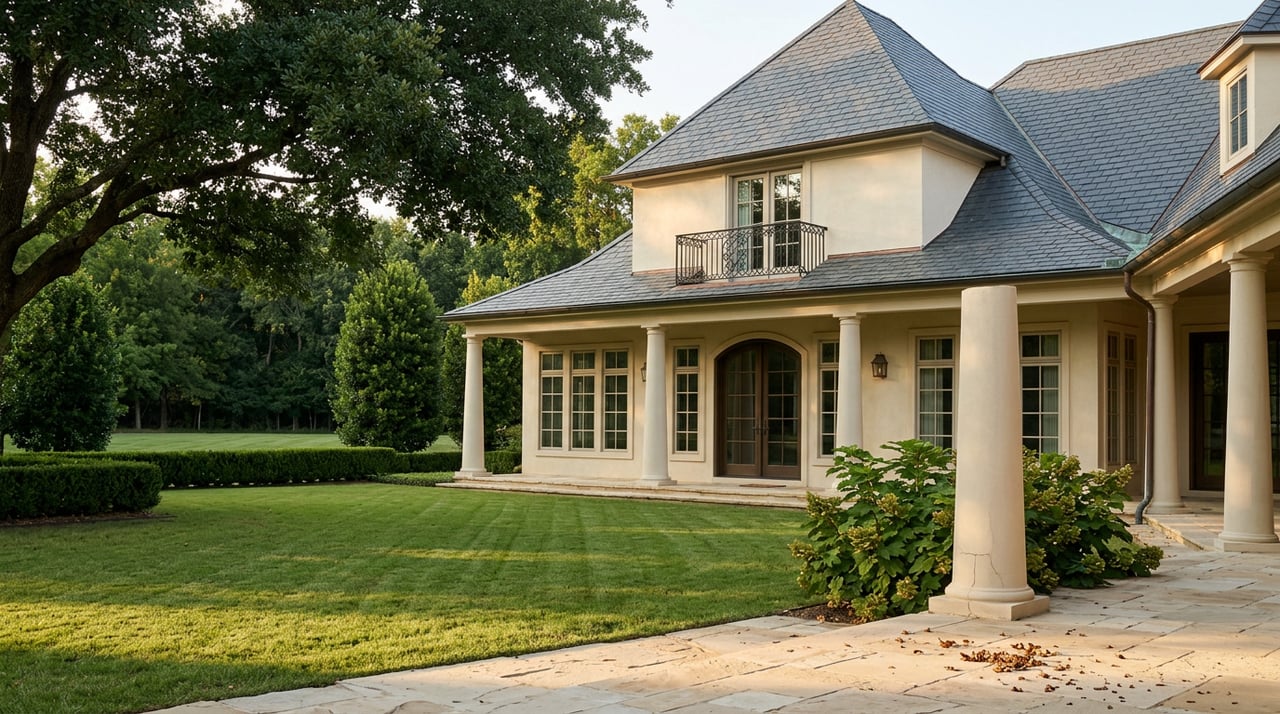
That history still shows up in the way the neighborhood feels today. The district remains overwhelmingly residential and visually cohesive, with a two-story scale, consistent setbacks, mature trees, sidewalks, and boulevards that help create a strong sense of place.
Architecture shapes everyday living
One of the most appealing parts of Heritage Hills is the range of architectural styles found within a compact area. Local sources identify Châteauesque, Italian Renaissance Revival, Prairie School, Greek Revival, Neoclassical, American Craftsman, Colonial Revival, Georgian Revival, Mission Revival, American Foursquare, and Dutch Colonial Revival among the styles represented.
For you as a buyer or homeowner, that variety matters because design influences lifestyle. The floor plans, rooflines, porches, gardens, and light-filled rooms tied to these styles can create very different daily experiences.
Tudor homes feel dramatic and layered
Early Tudor homes in Heritage Hills are known for steep roofs and prominent chimneys. These details often give the homes a more storybook look from the street and can create interiors that feel layered, private, and full of character.
A local example is the 1904 Cooke house, described as an early Tudor with 15 rooms and a third-floor ballroom. That kind of layout points to a home designed for both grand entertaining and flexible everyday use.
Colonial Revival homes feel formal yet practical
Colonial Revival homes in the district are described with broad entries and formal interiors. If you like homes that balance symmetry, structure, and classic room separation, this style often speaks to that preference.
The 1923 Taylor house is one concrete example. It included upstairs sitting rooms and a porch-side addition, showing how these homes could support both formal spaces and quieter corners for daily living.
Spanish and Mission-influenced homes feel indoor-outdoor
Mission and Spanish Colonial Revival influences bring a different rhythm to home life. In local descriptions, these homes may include arches, stucco, red tile roofs, gardens, atriums, and sleeping porches.
Those features can make a home feel especially connected to outdoor space. The Hoffman house, described as Spanish Colonial Revival, includes a 30-foot atrium, gardens, a red-tiled roof, and a sleeping porch, all of which paint a strong picture of how architecture can shape a more open, garden-centered lifestyle.
Prairie, Bungalow, and Craftsman styles feel light-filled
Prairie, Bungalow, and Craftsman-era homes in Heritage Hills tend to lean into wide eaves, porches, window bands, natural light, and cross-ventilation. While not every house follows the same exact formula, these are some of the clearest lifestyle cues documented in local source material.
If you enjoy bright rooms, strong porch presence, and a closer connection between indoor and outdoor living, these styles may feel especially inviting. They often read as comfortable, practical, and visually grounded.
Heritage Hills offers variety within the district
Not every part of Heritage Hills feels exactly the same. The National Register nomination notes a clear north-south difference in the neighborhood.
Homes on the south side are described as grander and placed on larger parcels. The northern additions are more compact and mostly frame-built on single lots.
That distinction matters if you are thinking about what kind of setting fits your goals. Some buyers may be drawn to larger-scale homes and lots, while others may prefer a more compact footprint with the same historic atmosphere.
The streetscape supports the lifestyle
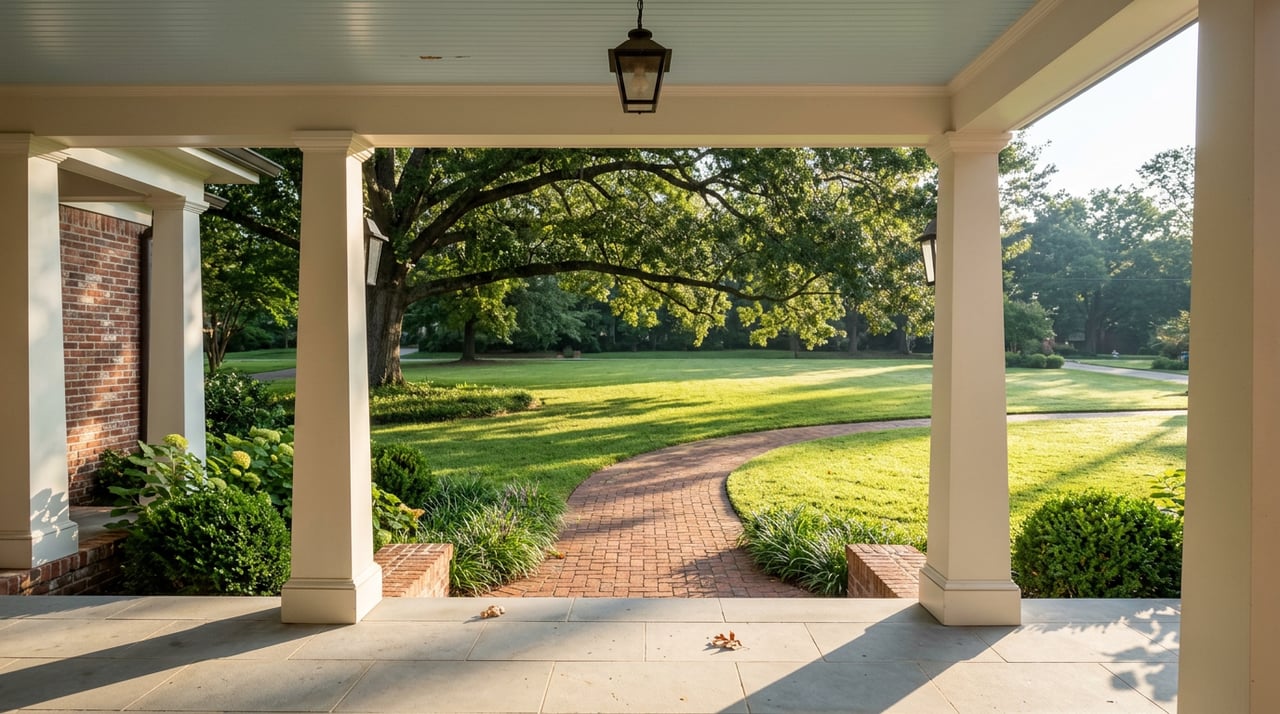
In Heritage Hills, the experience of the neighborhood extends well beyond the front door. The district’s irregular street grid, sidewalks, medians, setbacks, and mature trees all contribute to how it feels to walk or drive through the area.
The National Register nomination specifically highlights rows of tall elm trees, sidewalks that were uncommon elsewhere in Oklahoma City at the time, and the visual unity created by boulevards and setbacks. These are not small details. They shape the pace and appearance of everyday life.
Green spaces are part of the appeal
Heritage Hills also benefits from maintained medians and parks. Heritage Hills Preservation, Inc. says it is responsible for landscaping in neighborhood medians and parks and sponsors an annual tree-planting program.
The neighborhood’s parks and green spaces include Alice Harn Park, Winans Park, Perle Mesta Park, Florence Park, Robinson Median, and Shartel Median. According to the neighborhood organization, the tree-lined Robinson Avenue median helps create a peaceful sense of living in the neighborhood.
Walking culture feels built in
Heritage Hills has long been associated with architecture and walking culture. A local history account notes that the first home tour in 1967 brought 500 people through six grand homes nestled beneath towering trees.
That detail says a lot about the area. Heritage Hills is a place where the streetscape, homes, and public spaces work together, creating an environment that invites you to slow down and take it in.
Landmark architecture adds depth
The Henry and Anna Overholser Mansion is one of the clearest symbols of Heritage Hills’ architectural identity. Located at 405 NW 15th Street, it is identified in the National Register nomination as the district’s only Châteauesque example and one of only a few such examples in Oklahoma.
The Oklahoma Historical Society describes it as a 1903 house museum. For residents and visitors alike, it adds another layer of historical depth to the neighborhood and helps anchor the district’s visual story.
Urban access is part of the draw
Heritage Hills offers a historic residential setting with quick access to central Oklahoma City. According to Heritage Hills Preservation, the neighborhood is less than a mile from the economic heart of Oklahoma City.
The organization also says residents can walk to restaurants, businesses, entertainment, and fitness options. That combination of historic character and nearby city energy is a major part of the lifestyle appeal.
Nearby districts expand your day-to-day options
Several well-known Oklahoma City districts sit close to Heritage Hills. HPI specifically identifies Uptown 23rd to the north, Midtown to the south, The Paseo within walking distance, Automobile Alley nearby, and the Plaza District across Classen.
Each nearby district adds something different to the overall lifestyle picture. Midtown offers shopping, restaurants, bars, lodging, housing, and professional services. The Paseo is home to more than 20 galleries and more than 80 artists, along with restaurants, boutiques, a theatre, yoga, and gift shops.
The Plaza District describes itself as a home for galleries, studios, retail shops, restaurants, performance venues, and creative services. Uptown 23rd highlights local favorites, nightlife, public art, Route 66 identity, and the Tower Theatre, while Automobile Alley reflects a revitalized 1920s commercial district with businesses, shops, and restaurants.
What lifestyle in Heritage Hills really means
At its core, Heritage Hills blends architecture, greenery, and urban access in a way that feels hard to duplicate. You get a neighborhood where homes tell distinct design stories, streets feel established and walkable, and nearby districts broaden your options for dining, arts, and everyday convenience.
For some buyers, the appeal will start with a Tudor roofline or a Colonial Revival entry. For others, it will be the tree canopy, medians, and easy access to Midtown, The Paseo, or Uptown 23rd. In either case, the lifestyle story is the same: Heritage Hills offers a historic setting with a strong sense of place and close connection to city life.
If you are considering a move in or around Oklahoma City and want guidance rooted in neighborhood knowledge, David Oliver offers a thoughtful, high-touch approach to helping you navigate the market.
FAQs
What architectural styles are found in Heritage Hills?
- Heritage Hills includes a wide mix of styles, including Châteauesque, Italian Renaissance Revival, Prairie School, Greek Revival, Neoclassical, American Craftsman, Colonial Revival, Georgian Revival, Mission Revival, American Foursquare, and Dutch Colonial Revival.
What does daily life in Heritage Hills feel like?
- Daily life in Heritage Hills is shaped by historic homes, mature trees, sidewalks, medians, parks, and close access to central Oklahoma City amenities, creating a blend of residential calm and urban convenience.
What makes Heritage Hills different from other Oklahoma City neighborhoods?
- Heritage Hills stands out for its early 20th-century architecture, strong visual cohesion, historic preservation status, and its location less than a mile from downtown Oklahoma City.
Are all homes in Heritage Hills the same size and style?
- No. Local historic sources note that the south side generally has grander homes on larger parcels, while northern additions tend to be more compact and mostly frame-built on single lots.
What attractions are near Heritage Hills in Oklahoma City?
- Nearby areas identified by the neighborhood organization include Uptown 23rd, Midtown, The Paseo, Automobile Alley, and the Plaza District, all of which add dining, arts, retail, entertainment, and service options nearby.