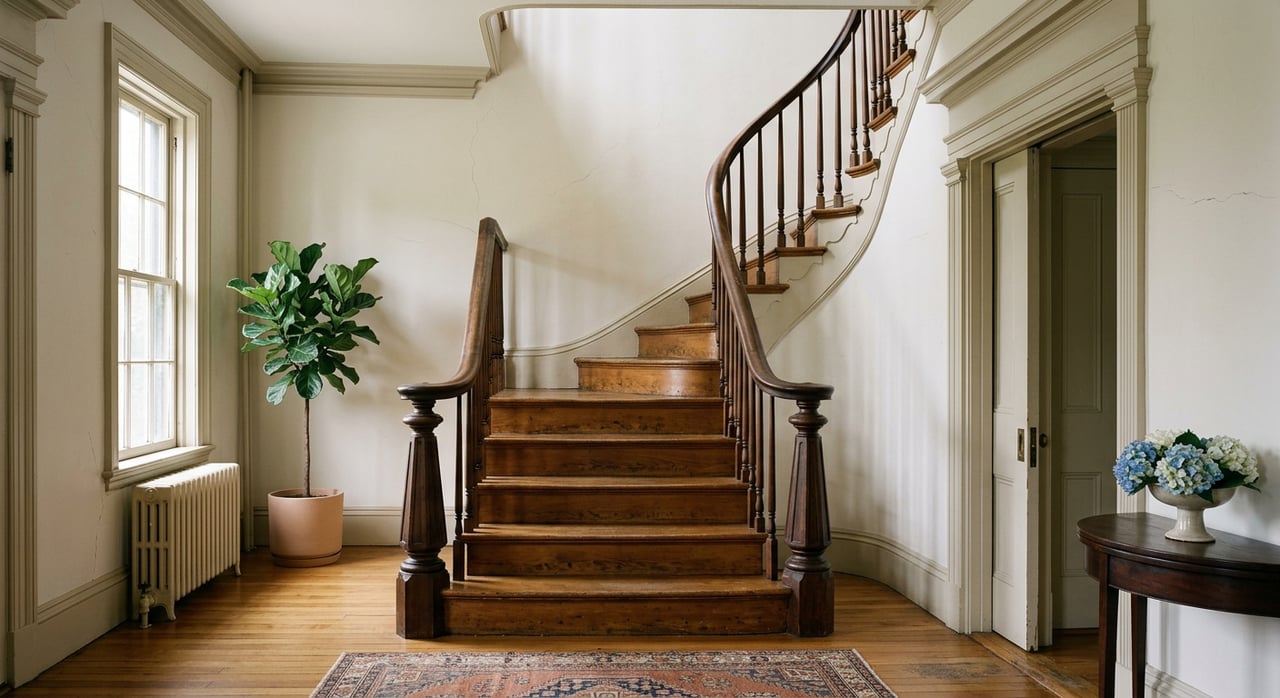
Falling in love with a historic home is easy. The craftsmanship, mature trees, grand porches, and one-of-a-kind details call you in. If you are eyeing Heritage Hills in 73103, you are looking at one of Oklahoma City’s most storied neighborhoods—and one with specific rules, costs, and care requirements. In this guide, you will learn what makes the district special, how the preservation process works, what to expect from inspections, and how to plan financing and insurance. Let’s dive in.
Why Heritage Hills stands out
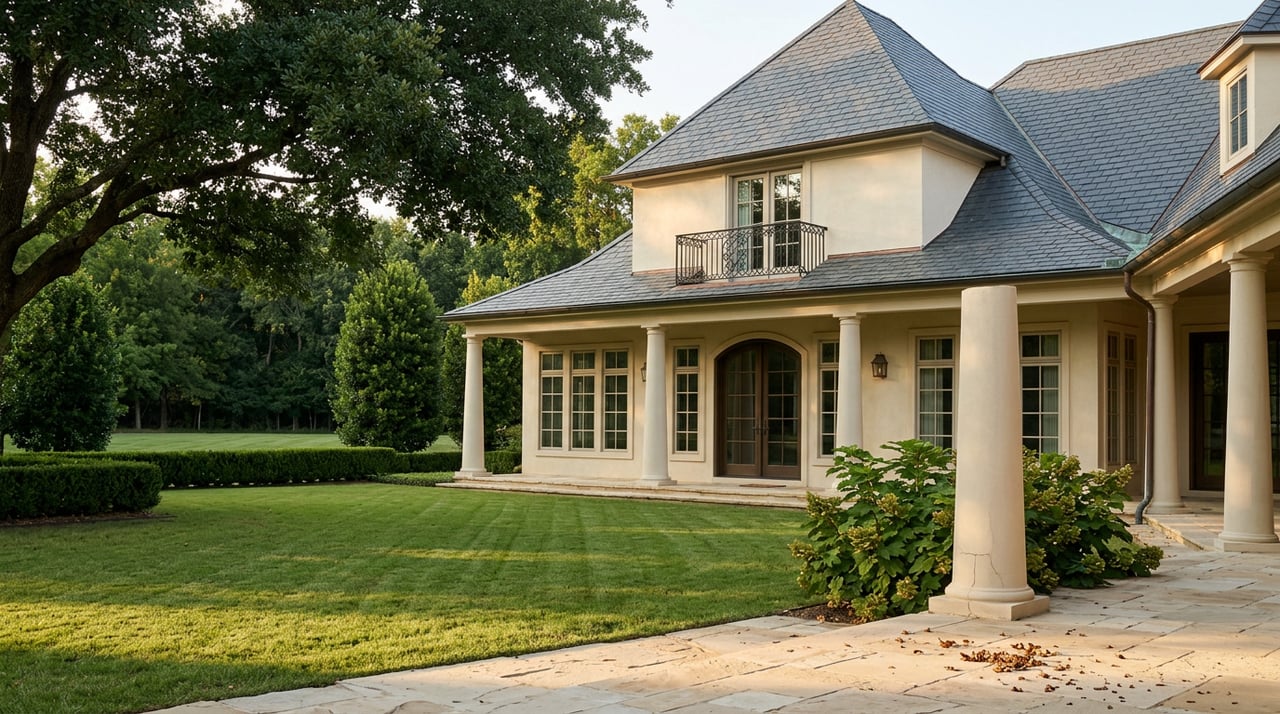
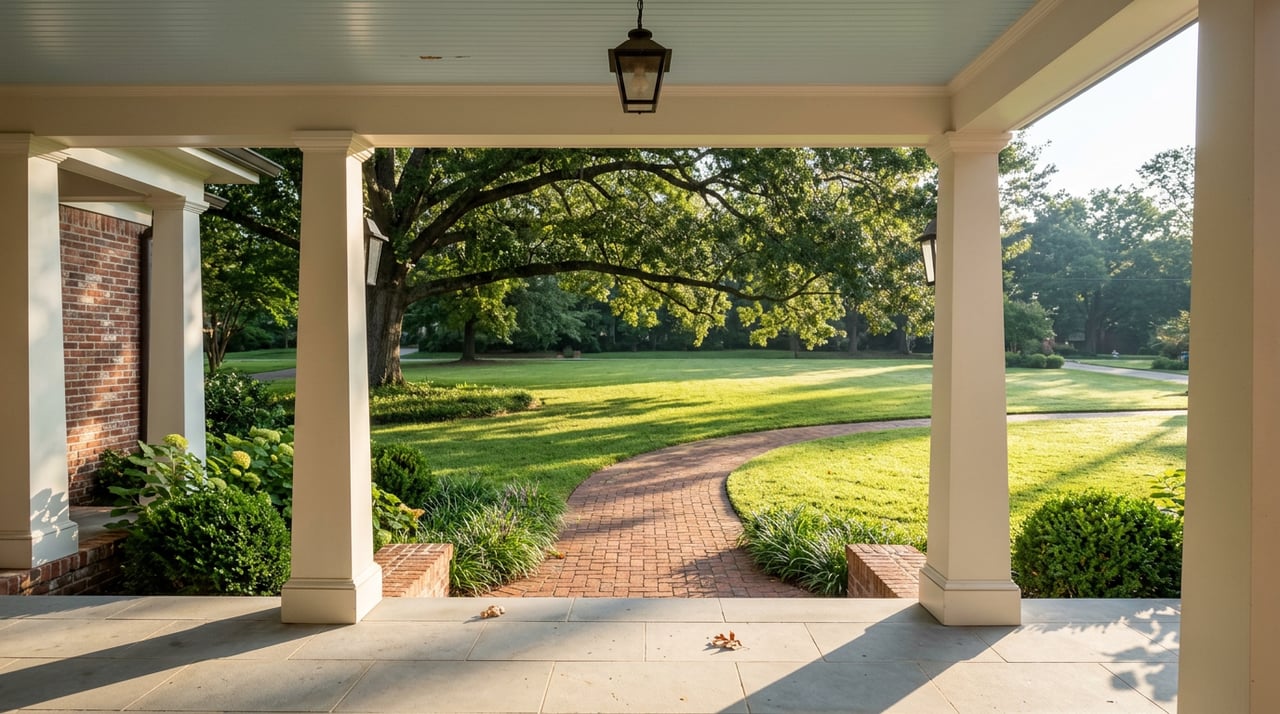
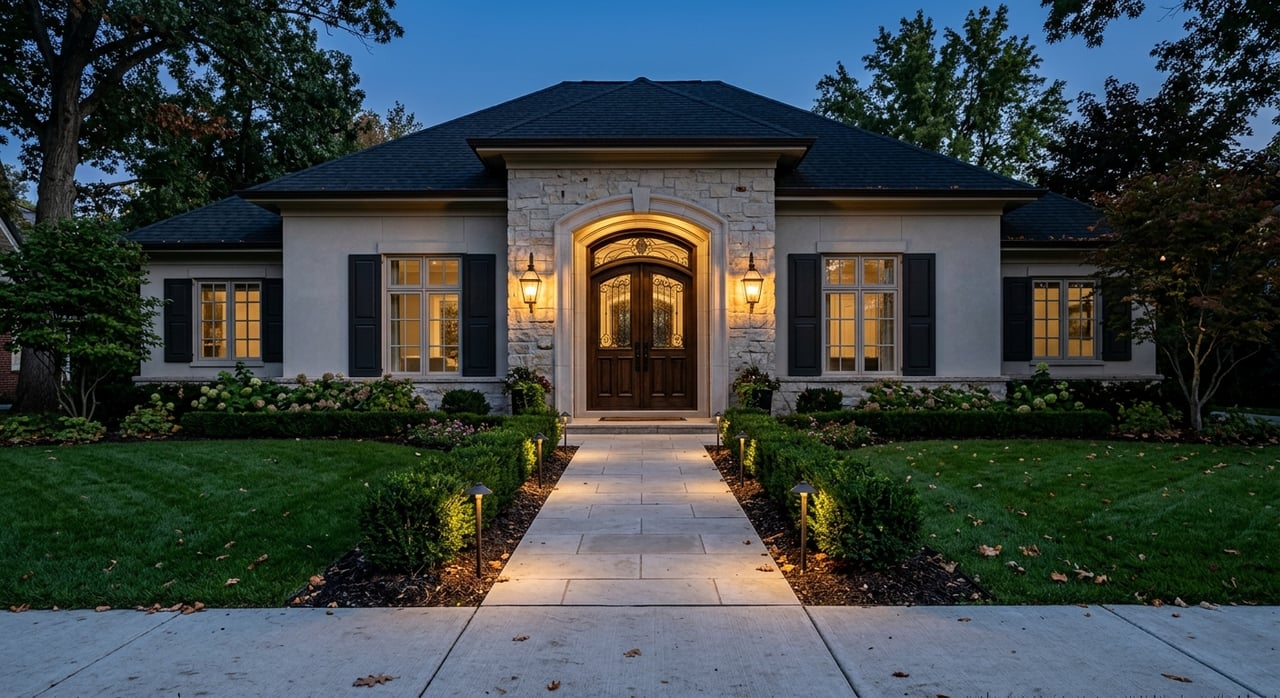
Heritage Hills is a locally regulated historic district just north of downtown, celebrated for early 20th-century mansions and period homes in styles like Neoclassical, Georgian Revival, Tudor Revival, Prairie School, and Craftsman. Mature street trees, original sidewalks, and carriage houses add to the neighborhood’s historic feel. You will see two-story massing, historic masonry, and custom interior finishes that define the area’s character.
Landmarks like the Overholser and Hales Mansions set a high bar for restoration quality and materials. That benchmark often shapes expectations for nearby properties. To get a feel for the neighborhood’s history and architecture, explore the concise historical overview on the Heritage Hills walking tour site. The walking tour history page highlights the district’s evolution and styles.
Know the rules before you renovate
If the home sits inside Oklahoma City’s Historic Preservation (HP) overlay or is a designated Historic Landmark, you will need a Certificate of Approval for most exterior work visible from the street. The City publishes design standards, application packets, and meeting schedules. Review the City’s guidance on the process and reach out to staff early if you plan visible changes. Start with Oklahoma City’s Historic Preservation page for standards and applications.
First, confirm the property’s location within the HP boundary. The City’s map for Heritage Hills and adjacent districts makes that clear and is worth bookmarking. Check parcel status on the City’s Heritage Hills district map.
Heritage Hills also has an active neighborhood association with a Design Review Committee and its own standards. These can add steps for items like driveways, landscaping, and visible additions. Many owners consult the neighborhood team before formal City review to streamline approvals. Review the Heritage Hills HOA Design Standards.
A quick note on the National Register: it recognizes significance and can support incentives for income-producing buildings. It does not, by itself, create local permit controls. In Heritage Hills, the City HP overlay and HOA rules drive mandatory design review.
Inspections that matter in Heritage Hills
Historic homes are unique, and your inspection plan should be too. The right specialists and a clear scope can save time and prevent surprises.
Foundations and soils
Central Oklahoma’s clay-rich soils can expand and contract with moisture changes. That movement can influence older foundations and flooring. If you see stair-step brick cracks, sloping floors, or sticky doors, schedule a structural engineer review and plan for drainage corrections as a first step. University research on expansive soils underscores moisture management as a key mitigation.
Roofs, chimneys, and water control
Complex historic roofs and original chimneys often require specialized repair. Water is the enemy of old houses, so keep gutters and downspouts in top shape and ensure grading pulls water away from the foundation. Preservation guidance generally favors repair or like-for-like replacement of visible materials. NPS guidance explains compatible methods that preserve character while improving performance.
Masonry and mortar compatibility
Historic brick and stone can be damaged by overly hard replacement mortars. When repointing is needed, use a preservation-minded mason who can test and match the original mortar. Document the scope for City review if work is visible from the street.
Windows, porches, and woodwork
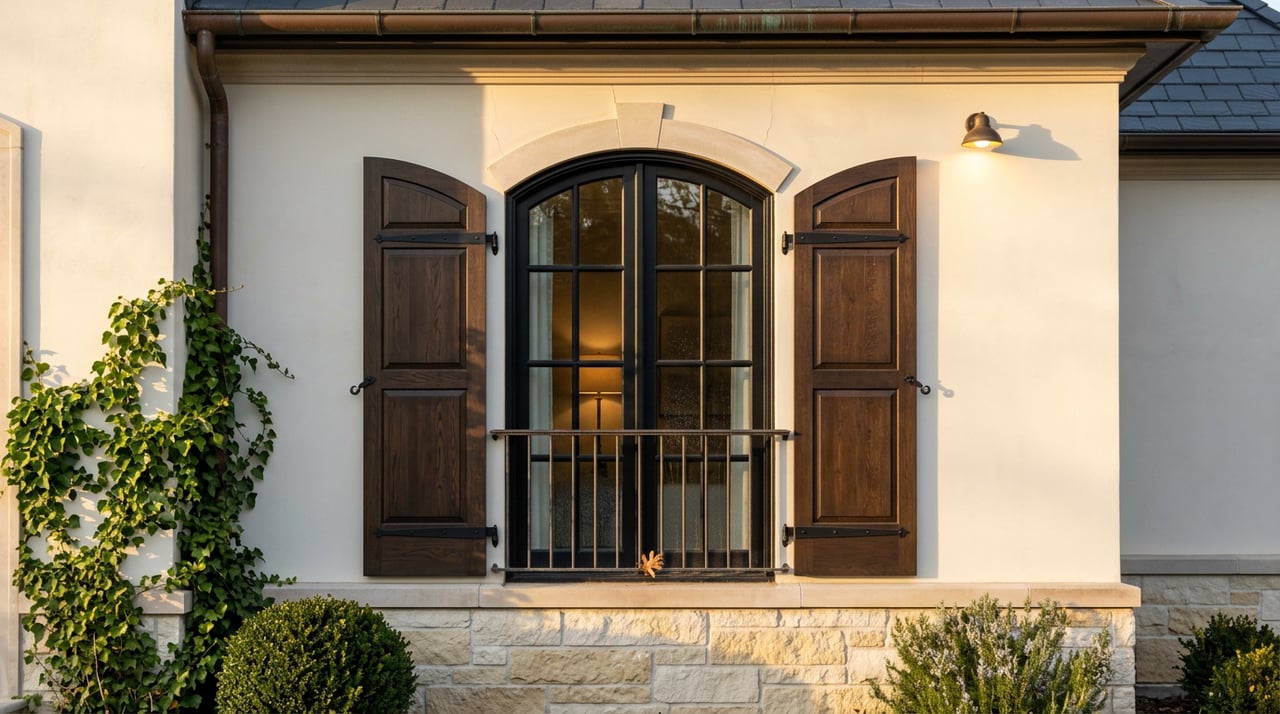
Original wood-sash windows, porch columns, and trim are character-defining. City guidance often encourages repair and weatherization over replacement. If replacement is considered for street-facing elevations, expect to provide photographs, elevations, and proposed details for review.
Electrical, plumbing, and heating
In older homes, inspectors often find knob-and-tube wiring, fused panels, galvanized water lines, cast-iron sewers, and aging boilers or furnaces. Many insurers flag active knob-and-tube wiring or severely aged systems and may require upgrades before issuing standard coverage. Plan for panel upgrades and selective repiping when condition warrants. Insurance resources explain how legacy systems affect underwriting and coverage.
Lead, asbestos, and safe work rules
Homes built before 1978 may contain lead-based paint, and some have asbestos-containing materials in insulation or flooring. Renovations that disturb painted surfaces must follow EPA lead-safe work practices, and asbestos must be handled by licensed abatement professionals. These rules affect cost, timeline, and contractor selection. EPA guidance outlines required practices for renovation in older housing.
How review affects common repairs
In Heritage Hills, most visible exterior work requires documentation and approval. Plan timelines accordingly, especially for window changes, porch enclosures, new dormers, and driveway modifications. Interior work that does not alter exterior character features often proceeds with fewer formal steps, but confirm scope with the City if in doubt.
Financing, tax credits, and insurance
A strong purchase plan aligns your loan strategy, incentives, and insurance early in the process. That is especially true if you expect to renovate.
Renovation mortgages
- FHA 203(k). Combines purchase and rehabilitation into one loan for owner-occupants, with consultant oversight for larger scopes. Review HUD’s 203(k) overview and requirements.
- Conventional options. Common choices include Fannie Mae HomeStyle Renovation and Freddie Mac CHOICERenovation, which finance a wide range of repairs with an as-completed appraisal. Compare fees, eligible work, and draw processes among lenders experienced with renovation loans.
Practical tip: engage a renovation-savvy lender during your offer stage. Appraisals for historic properties rely on detailed contractor estimates and a clear scope of work.
Historic tax incentives
The federal 20 percent Historic Rehabilitation Tax Credit applies to certified rehabilitations of income-producing properties. It generally does not apply to owner-occupied single-family homes. For Oklahoma projects, the state program coordinates with federal certification for income-producing properties and has specific application rules. Start with the Advisory Council on Historic Preservation’s credit overview and confirm current state requirements before relying on any credit.
Insurance planning
Older homes can be insured, but underwriting may depend on system condition and roof age. Some carriers require electrical or roof certifications or will limit coverage until flagged items are corrected. Specialty carriers may offer policies tailored to historic homes, though terms vary. Get quotes early, share inspection findings, and budget for required upgrades that may be tied to coverage. This insurance primer outlines typical hurdles for old homes.
Your due diligence plan
A little structure goes a long way. Use this sequence to protect your timeline and budget.
- Verify the HP overlay and parcel status on the City map, and ask City staff about any open violations or recent approvals.
- Order a comprehensive inspection package: home inspection, structural engineer if you see cracks or sloping, chimney inspection, licensed electrician review, sewer line camera if pipes are original, and a termite report.
- Request seller records for prior Certificates of Approval, permits, roof or system replacements, and HOA approvals. Confirm HOA timelines and documentation needs for upcoming work.
- Obtain insurance pre-quotes from at least two carriers. If legacy systems are flagged, get contractor bids and plan negotiations around those costs.
- If you plan to use a renovation loan, align product choice and documentation early with a lender who handles these programs regularly.
First-year priorities after closing
Focus on the items that protect the structure and integrity first.
- Manage water. Tune grading, add or repair gutters and downspouts, and correct drainage that directs water toward the foundation.
- Secure the roof and flashing. If historic roof material is visible from the street, budget for like-kind repairs with a specialist contractor.
- Preserve original windows. Consider repair, weatherstripping, and interior storm panels for better performance while keeping original appearance.
- Modernize for safety. Tackle electrical panel upgrades, targeted rewiring, active leaks, and heating safety items that may affect insurance and lender conditions.
Build your trusted team
For a smooth experience and compliant results, assemble the right experts early.
- Preservation architect or consultant to align your design with City standards and prepare documentation.
- Structural engineer if you see signs of settlement or plan structural changes.
- Licensed electrician and plumber experienced with historic systems and current insurance expectations.
- Contractor comfortable with in-kind repairs, photo documentation, and submittals that meet City and HOA requirements.
- Renovation-loan specialist who understands draw schedules and as-completed appraisals if you finance repairs in your mortgage.
The bottom line
Buying in Heritage Hills is about more than square footage. You are becoming a steward of Oklahoma City history. With the right plan, approvals, and professionals, you can preserve what makes your home special while updating it for modern living. If you want a seasoned guide who knows Heritage Hills and the nuances of historic ownership, reach out to David Oliver for tailored advice and representation.
FAQs
What makes Heritage Hills unique compared to other OKC neighborhoods?
- A dense concentration of early 1900s mansions and period homes, mature streetscapes, and formal historic protections make Heritage Hills a distinctive, preservation-focused district near downtown.
Do I need City approval for exterior changes in Heritage Hills?
- Yes, if the home is inside the Historic Preservation overlay, visible exterior changes typically require a City Certificate of Approval, and HOA Design Review may also apply.
Which inspections are most important for a Heritage Hills purchase?
- In addition to a full home inspection, prioritize a structural engineer review for suspected movement, chimney inspection, licensed electrician evaluation, sewer camera for older lines, and a termite report.
Can I use a renovation loan to buy and restore a Heritage Hills home?
- Yes, many buyers use FHA 203(k) or conventional renovation loans to combine purchase and rehab, but you should engage a lender experienced with these products early in the process.
Do historic tax credits apply to an owner-occupied Heritage Hills house?
- Generally no; the federal 20 percent Historic Rehabilitation Tax Credit applies to certified income-producing properties, not owner-occupied single-family homes.
Will old wiring or roof age affect my ability to insure a historic home?
- Often yes; carriers may require electrical or roof certifications or limit coverage until flagged items are corrected, so secure quotes early and plan upgrades as needed.