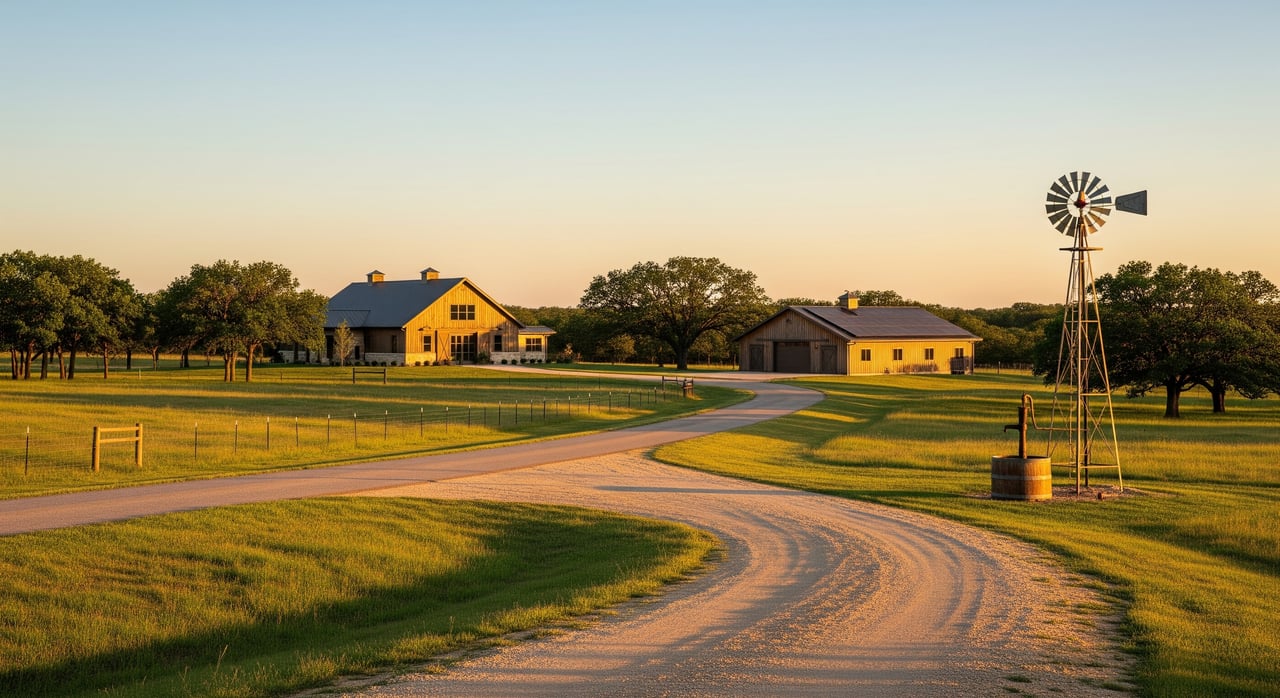
You want space, privacy, and a place to build near Arcadia. The dream is clear, yet the path can feel murky when utilities, access, and value all vary by parcel. The good news is you can make a confident acreage purchase once you know what drives buildability and price in this pocket east of Edmond. This guide walks you through the essentials so you can move from curiosity to a solid plan. Let’s dive in.
What drives value here
Proximity to Edmond and Oklahoma City raises demand and per-acre pricing. Shorter commutes, nearby services, and easier utility access are strong value drivers. Parcels farther from pavement or utilities often sell at a discount, but they can require more time and development cost.
Think about value in terms of usefulness, not just size. Key factors include access quality, utilities on or near the property, soils and drainage, flood risk, topography, and any mineral reservations or easements. Improvements like fencing, barns, wells, or existing septic can add value when they fit your intended use.
Electric service
Start by locating the nearest power pole and confirming the provider. Central Oklahoma is served by investor-owned utilities, such as OG&E, and rural electric cooperatives in some areas. Ask about line-extension costs, timing, and capacity, especially if you plan a shop or high-load equipment. Long extensions can run from thousands to tens of thousands of dollars, so get a written quote before you commit.
If a new line or easement is required, confirm how the corridor will cross the property. That placement can affect where you build, fence, or plant trees.
Water options
Inside town limits or near developed corridors, municipal lines may be available. If you want city water, contact the City of Edmond to check line proximity, tap fees, and capacity. Where city service is not available, most acreage owners drill a private well.
For wells, confirm feasibility first. Check groundwater information and nearby well logs with the Oklahoma Water Resources Board, then consult a licensed driller about depth and expected yield. If there is an existing well, plan for a water-quality test to check for iron, hardness, or nitrates.
Septic basics
Most rural parcels rely on on-site sewage systems. The soil and layout determine what type of system will be approved. Schedule a soil and site evaluation and confirm setbacks for your planned home footprint and driveway.
Permits and approvals are handled by state or county health authorities. Review current rules and next steps with the Oklahoma Department of Environmental Quality. Restrictive soils, a high water table, or limited drainfield area can raise costs, so get estimates during your inspection period.
Gas or propane
Natural gas lines are uncommon in many rural tracts. If you prefer natural gas, verify the nearest distribution line and extension cost. Otherwise, plan for a propane tank and confirm where it can be sited in relation to buildings and property lines.
Internet and coverage
Connectivity varies on the metro fringe. Fiber may be close to major corridors, while fixed wireless, DSL, or cellular hotspots are common elsewhere. Use the FCC National Broadband Map and provider service checks to confirm speeds if remote work or streaming is important to you.
Drainage and stormwater
Walk the property after a rain if possible. Look for low spots, seasonal standing water, roadside ditching, and any drainage easements. Drainage influences your build site, driveway design, and septic feasibility. A simple shift in house location can often reduce future maintenance and improve long-term usability.
Road access and easements
Public vs private roads
Confirm whether the parcel fronts a publicly maintained county road or a private road. Public frontage typically means county maintenance and more reliable all-weather access. If access is via a private road or shared driveway, ask for a recorded road maintenance agreement. You can explore county resources and departments through the Oklahoma County website.
Check the road surface. Paved, chip-seal, and well-built gravel roads perform better year-round. Dirt roads can become muddy or impassable in wet seasons, which affects daily life and emergency response.
Easements and rights
Review all recorded easements, including utility corridors, pipeline, drainage, and ingress or egress. Easements can limit building locations and fencing. Long-standing neighbor use can sometimes create rights that are not obvious in the deed, which is another reason to complete a thorough title search and survey.
Surveys and boundaries
Require a recent boundary survey, especially if corners are not marked or the tract was recently split. For complex or high-value deals, an ALTA/NSPS survey can map easements and improvements with more detail. Verify that the surveyed acreage matches your expectations and the contract.
Driveway and culvert permits
Oklahoma County road departments can require driveway permits and specify culvert size and placement. Confirm standards before you cut an approach. Installing the right culvert at the start helps you avoid future rework.
Title, minerals, and rules
Title and deed review
Order a preliminary title report and review the deed for exceptions and covenants. Title insurance is a smart protection, but understand that it can exclude certain uses or unrecorded rights. Ask your title officer to flag any unusual easements, split mineral interests, or imprecise legal descriptions.
Mineral rights and oil and gas
In Oklahoma, mineral estates are often severed. That means you may buy the surface without the minerals underneath. Check for reservations, leases, and any well activity using the Oklahoma Corporation Commission records. If minerals are severed, speak with a real estate attorney about surface-use protections before you close.
Zoning and permits
Confirm whether the property is in unincorporated Oklahoma County, the Town of Arcadia, or within Edmond’s jurisdiction. Each has its own rules for building permits, setbacks, and accessory uses. If you are near municipal boundaries or expect future annexation, factor that into your plans and timelines.
Taxes and assessments
Review the parcel’s tax history with the county assessor. Agricultural classifications and certain land-use categories can affect taxes. If you are converting from agricultural use to a residence, expect a possible reassessment.
Floodplain and environment
Use FEMA maps to check for floodplain, which can affect insurability and building locations. The FEMA Map Service Center is the quickest way to review flood risk. If the land has signs of past industrial or unusual agricultural use, consider environmental screening before you commit to site work.
Comps and pricing
For acreage, value is highly specific to access, utilities, and usability. Small, close-in tracts often price higher per acre than larger, more rural parcels. When comparing sales, adjust for paved frontage, utility proximity, fence and barn improvements, tree cover, flood risk, and any mineral reservations.
Pull public records for recent sales and work with a land-savvy agent to interpret how each factor changes value. A good comp set can reveal whether a “deal” is actually a fair price that requires serious development work later.
Due diligence checklist
Use this checklist to move from interest to clarity:
- Get a preliminary title report, review deed exceptions, and identify mineral reservations and easements. If minerals are severed, consider a legal consult and review Oklahoma Corporation Commission records for lease and well activity.
- Order a recent boundary survey, and request an ALTA/NSPS survey for complex transactions or lender requirements.
- Request written utility availability and extension quotes from providers, including OG&E for electric and any local gas utility.
- Verify municipal water options with the City of Edmond if near lines, or confirm well feasibility using OWRB groundwater and well logs.
- Schedule a soil and septic evaluation and review permit steps with the Oklahoma DEQ.
- Check flood risk on the FEMA Map Service Center and review soils with the USDA NRCS Web Soil Survey.
- Confirm internet options using the FCC National Broadband Map and local ISP service checks.
- Obtain written estimates for driveway and culvert installation, septic system, well drilling, and any needed utility extensions.
Timelines and budget
Plan for staged steps and realistic timelines:
- Survey and title work: 2 to 4 weeks, depending on availability and complexity.
- Septic and site evaluation: 1 to 3 weeks to schedule, permit timing varies by jurisdiction.
- Utility extension quotes: 2 to 8 weeks based on provider workload and engineering review.
- Well drilling: scheduling and drilling can take weeks, depth and cost are site specific.
- Closing: cash purchases can close in a few weeks, financed purchases depend on appraisal and loan processing.
Budget for survey, title and closing costs, septic system, well drilling, utility extensions, driveway and culvert, and potential legal fees related to mineral issues. Written quotes during your inspection period will help you refine the plan.
Local insight and next steps
Buying acreage near Arcadia is a smart move when you balance lifestyle and long-term value. Focus on buildability, not just acreage size. Confirm utilities and access early, map out septic and drainage, and understand title and minerals before you sign. A disciplined process will protect your budget and help you choose the right tract for your goals.
If you are ready to evaluate parcels or want a second opinion on a specific property, reach out to David Oliver. Our team pairs local land insight with a calm, high-touch approach so you can buy with confidence.
FAQs
How much does it cost to run power to Arcadia acreage?
- Costs vary by distance and engineering, long extensions can run from thousands to tens of thousands of dollars, so locate the nearest pole and request a written quote and timeline from the utility before you commit.
Can I get city water near Arcadia or will I need a well?
- Some areas near developed corridors may access municipal lines, check with the City of Edmond for availability and tap fees, otherwise confirm well feasibility using OWRB well logs and a licensed driller’s guidance.
How do mineral rights affect a land purchase in Oklahoma?
- Minerals are often severed from the surface, which can allow oil and gas surface use under certain conditions, review title for reservations, search OCC records for leases or wells, and consider an attorney for surface-use protections.
What makes a rural parcel “buildable” in this area?
- Reliable road access, feasible septic soils, a suitable building site above flood risk, and practical access to power and water are the core ingredients, verify each item with evaluations, maps, and written utility quotes.
How do I check flood risk before buying acreage?
- Use the FEMA Map Service Center to review flood zones and talk with your insurer about coverage and costs, then adjust your build site and improvements to minimize risk.
What internet options are typical for Arcadia-area land?
- Coverage ranges from fiber near corridors to fixed wireless, DSL, or cellular in rural spots, confirm providers and expected speeds on the FCC map and with local ISPs before you close.