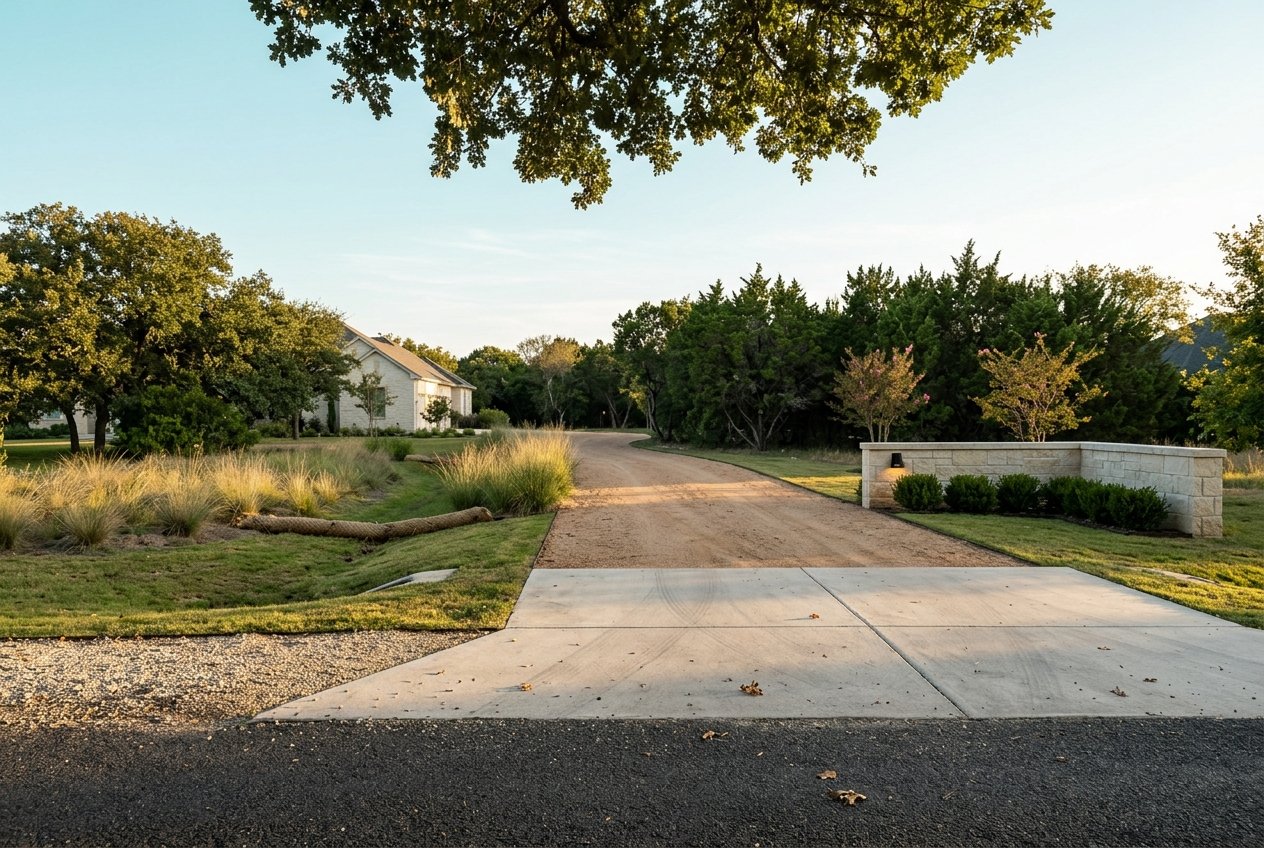
Wondering whether Arcadia acreage can become tomorrow’s residential opportunity? If you own land, are considering a purchase, or want to understand how buyers may view acreage in this part of Oklahoma County, the answer starts with more than location alone. You need to look at zoning, utilities, access, drainage, and the kind of residential product the town’s standards actually support. Let’s dive in.
Why Arcadia Draws Attention
Arcadia sits in a strategic spot for buyers and landowners thinking long term. The town places itself about 15 miles north of Oklahoma City and 6 miles east of I-35 Exit 141, which makes it close enough to the metro to benefit from outward growth patterns.
That matters because Arcadia is a very small town, with 279 people across 1 square mile according to the town. In practical terms, future residential use is less about in-town population growth and more about whether a tract can appeal to people looking for more land while staying connected to Edmond and the broader Oklahoma City area.
Arcadia’s Growth Story Is Regional
When you evaluate acreage here, it helps to think regionally. Oklahoma County’s 2025 population estimate is 822,125, up 3.2 percent from 2020, while Edmond’s 2025 estimate is 100,479, up 6.4 percent over the same period.
Those figures do not guarantee success for every parcel. They do, however, support a reasonable case that land near Arcadia may appeal to buyers who want a lower-density setting with access to employment, shopping, and services in the metro corridor.
Zoning Shapes the Opportunity
Arcadia Land Use Basics
Arcadia’s zoning and land-use rules create a clear framework for how acreage may transition toward residential use. Commercial uses are concentrated along Highway 66, Main Street, and Odor Street, while land south of Highway 66 is explicitly retained as agricultural zoning.
The downtown core is identified as a restricted area with mixed land uses. The town also distinguishes between R-1 single-family and R-2 multifamily residential forms, which means the exact location of your tract can meaningfully affect what path makes sense.
Why Parcel Location Matters
Acreage on the edge of town can sit near agricultural land, low-density residential areas, or mixed-use activity. Because those use patterns can change quickly from one area to the next, surrounding land use should be part of your first review, not something you check later.
If a tract sits near the Highway 66 corridor, it may be closer to commercial or mixed-use surroundings. If it sits south of the highway, it may function more like retained agricultural ground, which can influence both buyer appeal and development strategy.
Utilities Can Make or Break the Plan
Water and Sewer Service
Arcadia’s public works department says the town partners with the City of Edmond for water and wastewater. Edmond supplies the water and treats and collects wastewater, while Arcadia maintains the local water and wastewater lines.
That is helpful, but it does not mean every parcel is ready for immediate development. A tract may still face extension costs, access issues, or capacity questions that affect timing and overall feasibility.
Electric and Gas Access
Natural gas is supplied by ONG and electric service is provided by OG&E. For buyers and investors, that is another positive sign that utility service is established in the broader area.
Still, broad service availability is not the same as parcel-ready infrastructure. Before you price future residential potential into a property, confirm how those services would actually reach the site and what improvements may be required.
Development Standards Matter More Than You Think
Sewer and Septic Rules
Arcadia’s new-development ordinance is especially important for acreage owners and buyers. If water or sewer is not reasonably accessible, the developer or builder is financially responsible for the related infrastructure.
The ordinance also states that sanitary sewers are required when reasonably accessible. Septic or other unit disposal systems are allowed only when they meet state and county health requirements and Oklahoma DEQ standards.
For residential lots using septic, the lot must be at least 15,000 square feet, and the septic system must be set back at least 20 feet from the lot line. In addition, new developments of 40 acres or more may trigger a requirement to install sanitary sewers.
DEQ Approval Is Part of the Process
State rules add another layer of review. Oklahoma DEQ says an Authorization to Construct must be purchased and issued before installing or modifying an on-site sewage system.
Soil-profile or percolation testing may also be required, and the system design depends on factors such as lot size, lot shape, residence size, and soil-test results. That means septic feasibility should be verified early, especially for tracts that are not close to sewer access.
Building Permit Requirements
Arcadia also requires a written permit before construction begins. The permit process calls for the legal description, proof of ownership, construction plans or a narrative description, and a site plan showing property lines, streets, and structure location.
The town’s form also notes that electrical, plumbing, and HVAC work must be completed by licensed professionals. It further states that flood-prone-area checks may be required and that projects must begin within 18 months of permit receipt or fees can be forfeited.
Site Screening for Future Residential Use
Access Comes First
A parcel needs more than a good pin on a map. Legal frontage, workable ingress and egress, and a road network that can support the intended use all affect whether future residential development is realistic.
That is especially true if you are considering multiple homesites or a more formal development concept. Construction traffic, driveway placement, and the practical movement of utilities all start with access.
Drainage and Topography Are Core Issues
Flood-prone-area review is specifically flagged in Arcadia’s permit process. Because of that, topography and drainage should be part of your early screening, not an afterthought once engineering begins.
A parcel that looks attractive on paper may need more site work than expected if drainage patterns, stormwater requirements, or elevation issues complicate building plans. Arcadia’s ordinance also requires storm sewers and drainage under applicable standards.
Read the Neighboring Uses Carefully
Not every tract is best suited for the same residential outcome. Based on Arcadia’s land-use rules and utility standards, some parcels may be better positioned for estate lots, custom homes, or ranchette-style properties rather than a conventional small-lot subdivision.
That kind of transition product may fit the local context more naturally. It can also align better with buyer expectations for land, privacy, and space in the Arcadia area.
What Kind of Residential Product Fits Arcadia?
Design Standards Point to Higher-End Homes
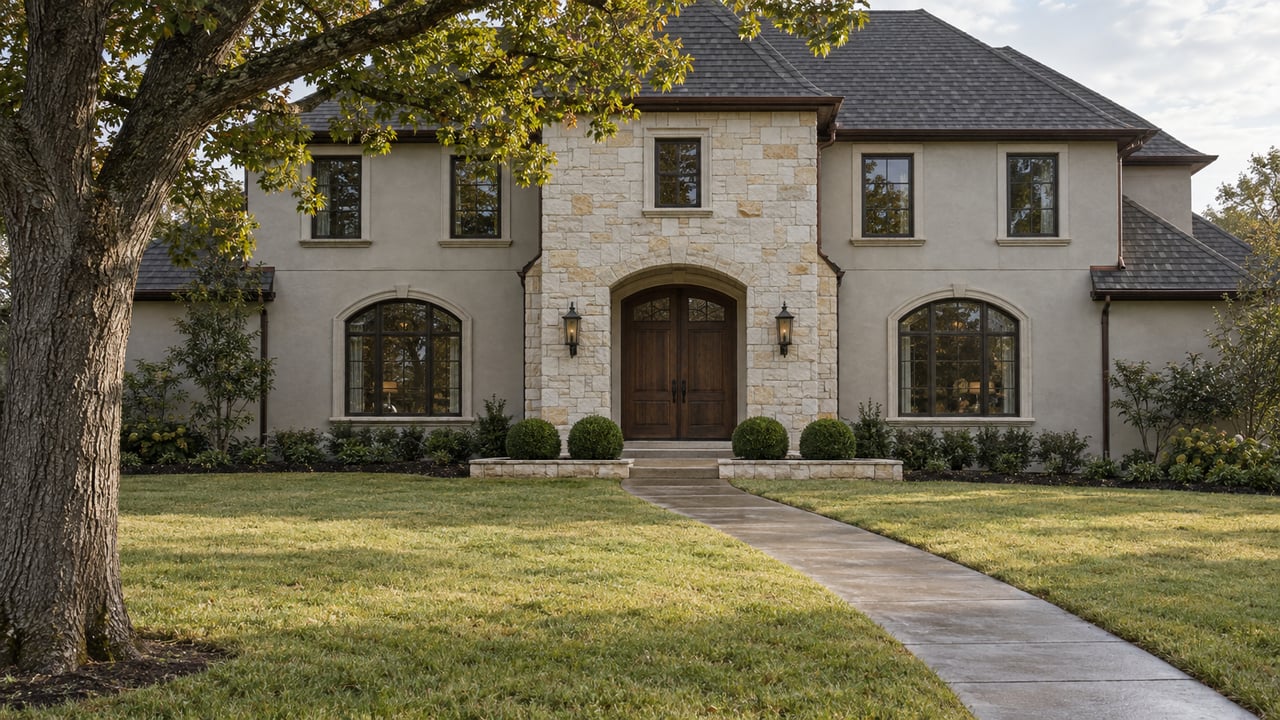
Arcadia’s residential standards suggest a more finished residential product. The code calls for 75 percent masonry on residential structures, a maximum height of two stories, minimum living-area thresholds, 25-foot setbacks, sod, multiple greenery types, and concrete drives or approaches, with sidewalks if feasible.
Those requirements shape both cost and character. They tend to support custom or semi-custom homes more than basic, low-spec housing.
Restricted-Area Rules Also Matter
Manufactured and mobile homes are not allowed in the restricted area. If your parcel may fall in or near that area, that distinction can affect how you position the property and what type of buyer is most likely to see value in it.
In many cases, the best long-term play is not maximum density. It may be a well-located, low-density residential concept that fits the town’s standards and the expectations of buyers seeking space near Edmond and Oklahoma City.
A Smart Diligence Checklist
Before you treat Arcadia acreage as future residential inventory, confirm the basics with a disciplined review. A careful upfront process can help you avoid overpaying for land based on assumptions that do not match the town’s code or utility realities.
Here are the key items to verify:
- Exact zoning classification
- Whether the parcel is in the restricted area, commercial corridor, or retained agricultural area
- Water and sewer access status
- Septic feasibility and required DEQ approvals
- Legal road access and frontage
- Drainage and flood-prone-area concerns
- Permit requirements and project timelines
- Any likely infrastructure extension responsibilities
In practice, this stage often works best when you involve a local surveyor, civil engineer, title attorney, and septic professional. That team can help translate Arcadia’s rules into a realistic development path and a more accurate financial picture.
Positioning Arcadia Acreage the Right Way
If you are marketing or evaluating Arcadia land for future residential use, the strongest position is usually grounded in facts, not broad promises. Buyers and investors want to know how a parcel fits the town’s land-use framework, whether utilities are workable, and what type of residential product the site can genuinely support.
That is where careful positioning matters. A tract with strong access, compatible neighboring uses, realistic utility solutions, and a product type that matches Arcadia’s standards can stand out as a more credible opportunity in the Edmond and Oklahoma City growth corridor.
If you are weighing the next move with acreage in Arcadia, David Oliver brings a relationship-first approach, polished marketing, and local experience with distinctive residential and land opportunities across the Oklahoma City area.
FAQs
What makes Arcadia acreage attractive for future residential use?
- Arcadia’s location near Edmond, Oklahoma City, Route 66, and I-35 makes it appealing for buyers who want more land while staying connected to metro jobs, services, and daily conveniences.
What zoning issues should you review for Arcadia land?
- You should confirm the exact zoning classification and whether the parcel is in the restricted area, along the Highway 66 commercial corridor, or in land retained for agricultural use, because each setting points to a different development path.
What utility questions matter for Arcadia residential acreage?
- You should verify whether water and sewer are reasonably accessible, what extension costs may apply, and whether electric and natural gas can be practically brought to the site.
What septic rules apply to Arcadia acreage?
- Septic systems must meet state and county health requirements and Oklahoma DEQ standards, and DEQ says an Authorization to Construct is required before installing or modifying an on-site sewage system.
What lot standards affect Arcadia land with septic?
- Arcadia’s ordinance says a residential lot using septic must be at least 15,000 square feet, and the septic system must be set back at least 20 feet from the lot line.
What home types appear most compatible with Arcadia acreage?
- Based on the town’s land-use rules and residential standards, estate lots, custom homes, and ranchette-style properties may be more compatible than conventional small-lot subdivision patterns on many tracts.
What due diligence should you complete before buying Arcadia acreage?
- You should review zoning, utility access, septic feasibility, legal access, drainage, permit requirements, and surrounding land use before assigning future residential value to the property.