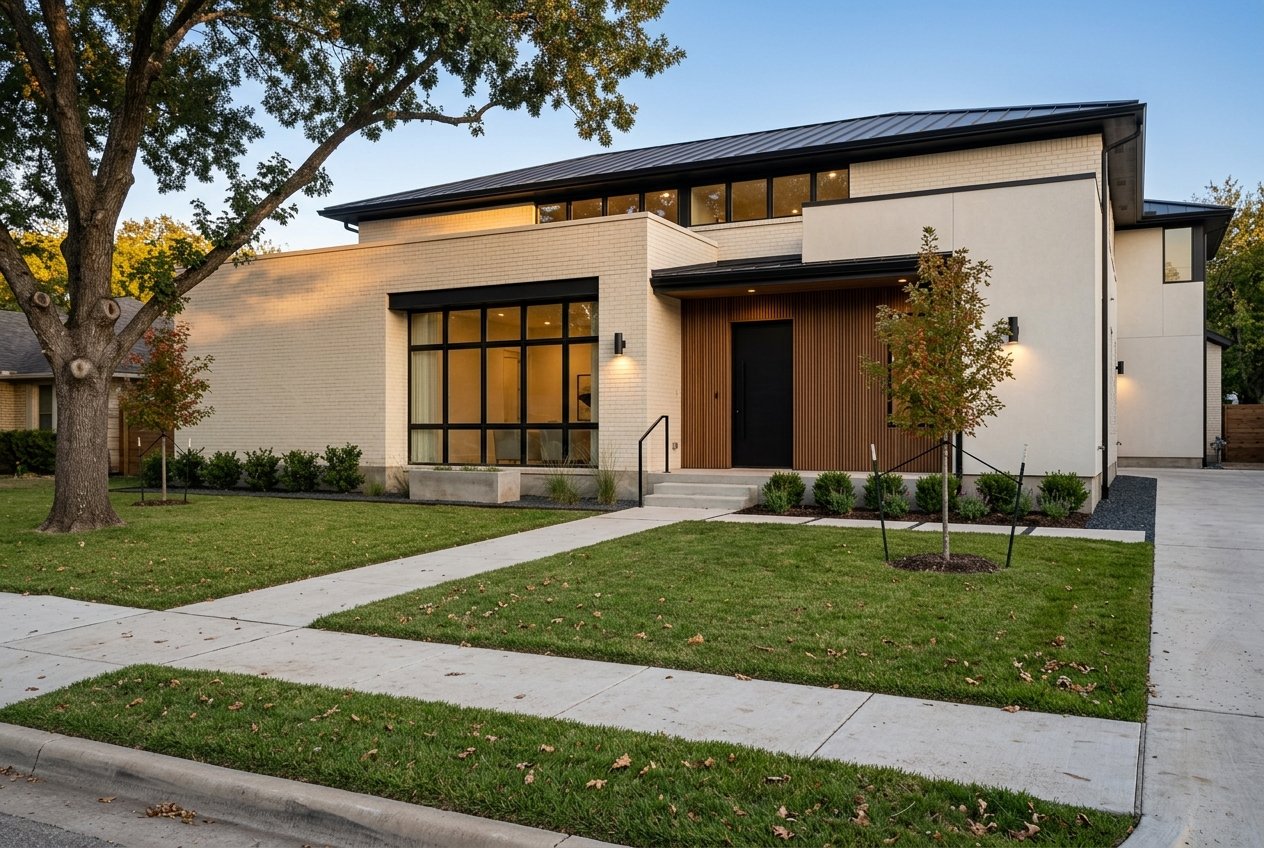
Trying to decide between a brand-new home and an established neighborhood in Yukon? You are not alone. With Yukon growing quickly and adding new communities while still holding onto its older core, the right choice often comes down to how you want to live day to day, not just how old the house is. This guide will help you compare the real tradeoffs so you can choose with more clarity and confidence. Let’s dive in.
Why Yukon Gives You Both Options
Yukon is growing fast, and that growth is shaping the housing market in real time. As of July 1, 2025, Yukon’s population estimate reached 27,615, which is up 16.8% from 2020. Canadian County grew even faster to 187,189, up 21.4% over the same period.
That matters because you are not looking at a market with just one housing era. Yukon includes newer west-side growth areas, established central neighborhoods, and a road network that continues to evolve with the city. Yukon’s 2040 Comprehensive Plan also shows that housing, transportation, parks, and future projects remain active priorities.
The city has also partnered with ODOT on the I-40 and Frisco Road interchange to improve access to undeveloped west-side land. In practical terms, that means new development is not slowing down. It also means your home search in Yukon may involve very different living patterns depending on where you buy.
What New Construction in Yukon Often Offers
New construction in Yukon is not just one subdivision or one builder style. The city’s plat inventory shows multiple phased communities, including Frisco Ridge, Legacy Lakes, River Mesa, Stone Mill, The Commons, Trail Ridge, Residence at Yukon Hills, and West End Pointe. For you as a buyer, that means more than one version of “new” may be available.
Some communities are early in development, while others are further along in buildout. That can affect what you see on the ground, from ongoing construction nearby to how complete streetscapes and common areas feel. It is one reason a side-by-side neighborhood comparison matters.
National new-home data also help frame expectations. In 2024, the median price of a new single-family home sold in the United States was $420,300, and the median size was 2,210 square feet. The median lot size of a new single-family home completed in 2024 was 8,545 square feet.
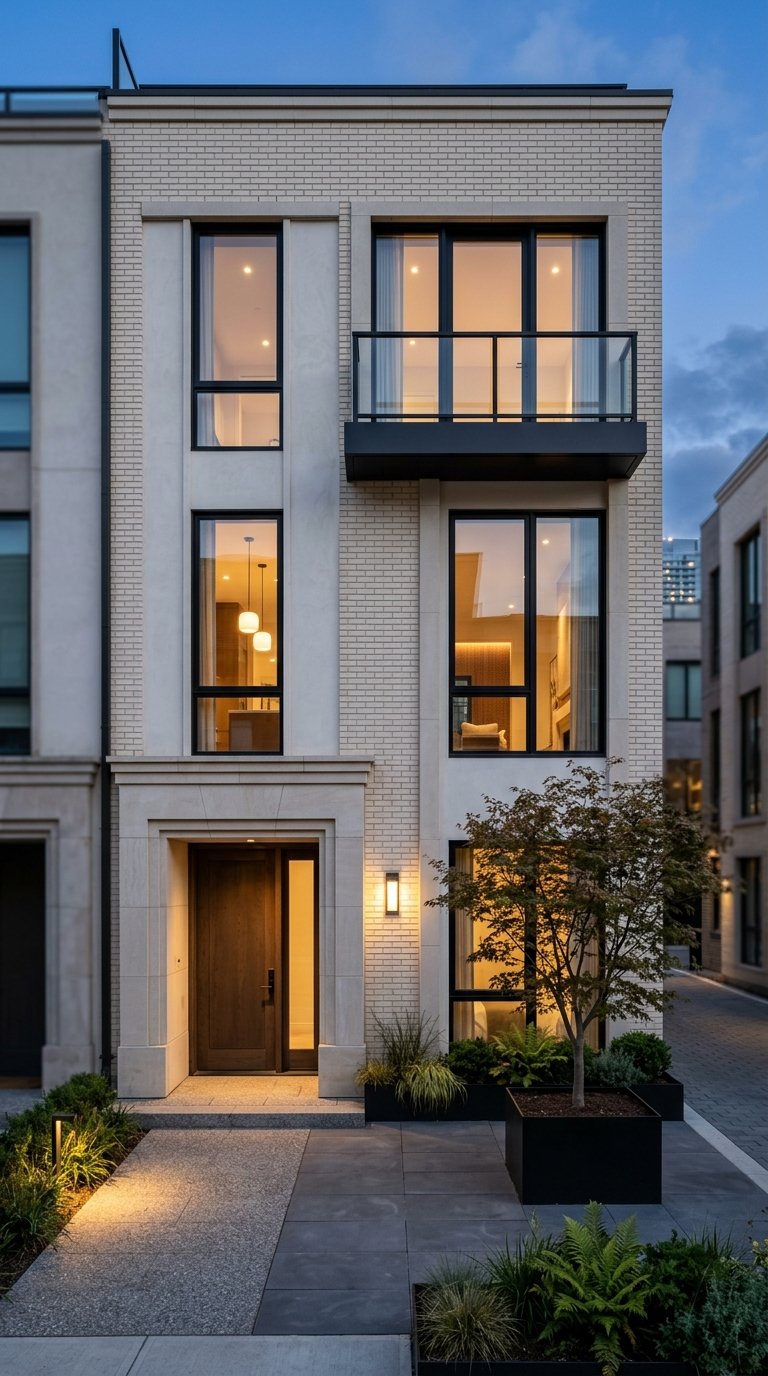
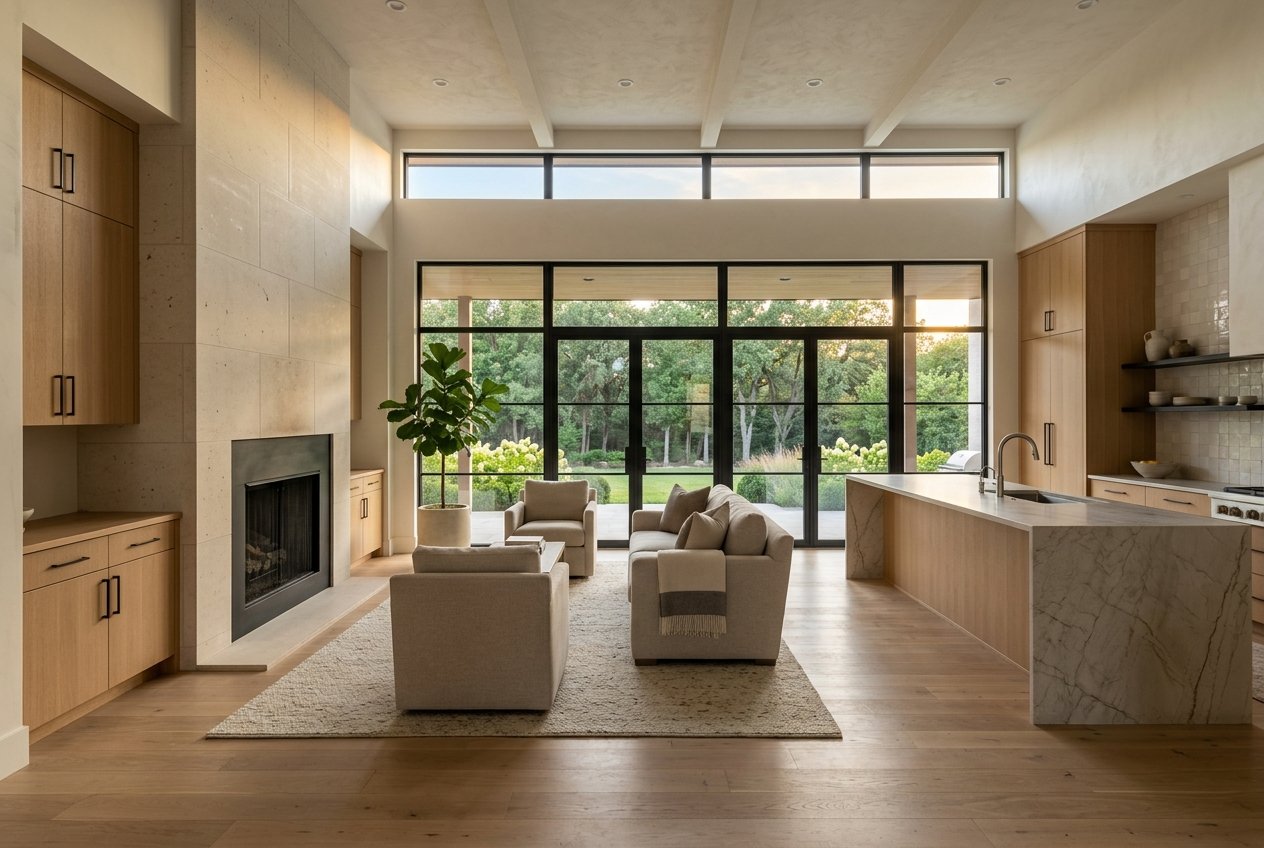
For many buyers, the biggest draw of new construction is a fresh start. New homes may offer newer materials, modern layouts, and energy-efficiency features that can help with comfort and operating costs. ENERGY STAR notes that certified new homes are designed and built for better efficiency and performance from the ground up.
Key advantages of new construction
- Newer systems and materials
- Modern floor plans and finishes
- Potential energy-efficiency benefits
- Fresh infrastructure in newer growth corridors
- Often strong access to major roads and I-40 routes
Important tradeoffs to weigh
- Smaller lot sizes are common in newer homes
- Construction around you may continue for a while
- New-home warranties have limits
- A newer area may feel less established at first
The warranty point is especially important. The FTC notes that most new-home warranties do not cover every out-of-pocket expense tied to defects or repairs, and they usually do not cover everything from appliances to minor cracking. If you are leaning toward new construction, you will want to read the warranty terms carefully rather than assume everything is covered.
What Established Yukon Neighborhoods Often Offer
Established areas in Yukon bring a different kind of appeal. The city’s plat map inventory includes additions and re-plats such as Chase Addition, Canadian Heights, Skyview Addition, Sunset Addition, Ranchwood, and many others. This creates a housing stock that reflects multiple building eras and subdivision patterns.
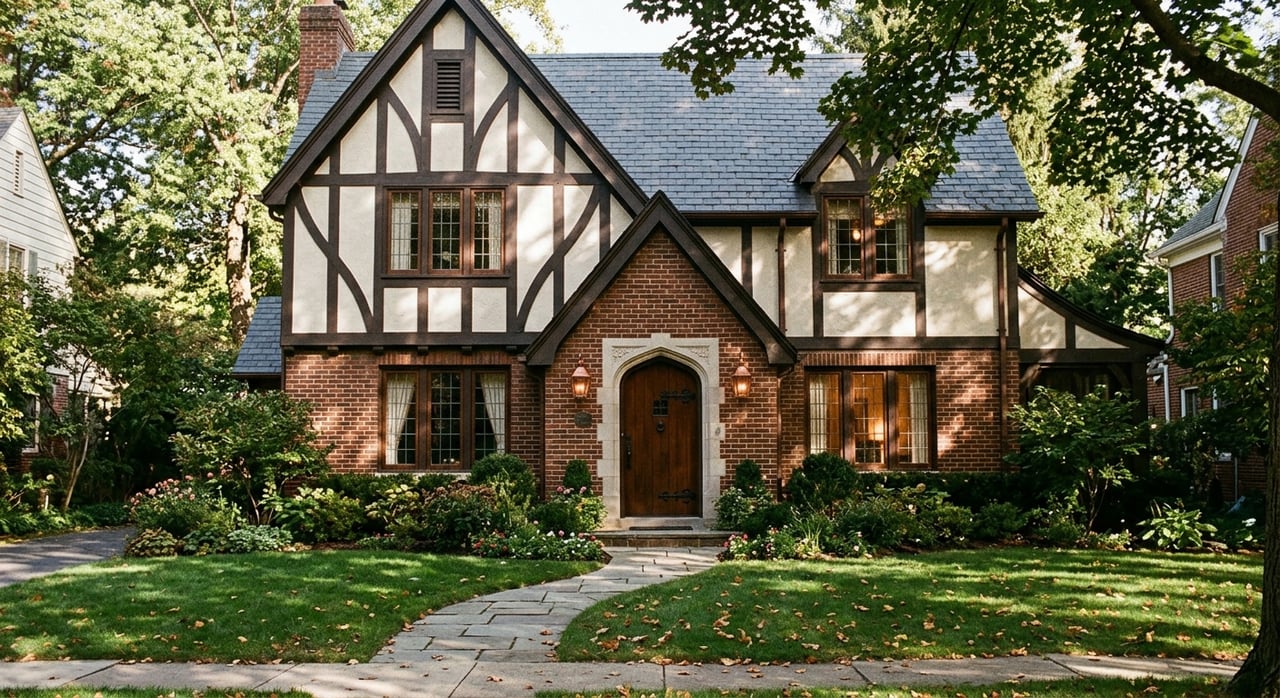
For you, that often means more variety from one block to the next. Home styles, lot shapes, and street layouts may feel less uniform than in a newer subdivision. That sense of variation can be a plus if you value character and a more layered neighborhood pattern.
Location is often a big part of the draw. Yukon’s Parks and Trails department maintains more than 218 acres across 11 parks, and central Yukon includes places like Chisholm Trail Park, City Park, and Freedom Trail Park. The downtown area also hosts Route 66 events such as Rock the Route at 4th and Main, which supports a more central, event-oriented lifestyle.
Key advantages of established neighborhoods
- More variation in home style and site layout
- Often more central access to parks and downtown events
- A more mature neighborhood feel in many areas
- Street patterns that reflect Yukon’s older core
Important tradeoffs to weigh
- Older systems may require closer inspection
- Updates and repairs may be part of ownership
- Layouts may not match current new-build trends
- Condition can vary more from home to home
Established homes can offer site variety and central convenience, but they usually require a more careful look at long-term maintenance. If you are considering an older home, inspections become especially important. Budgeting for updates can also help you make a more confident decision.
Commute and Access Matter in Yukon
In Yukon, location is not just about the house. It is also about how you move through the city and how easily you reach the places you use most. Yukon’s mean travel time to work is 22.8 minutes, while Canadian County’s is 25.2 minutes.
The city’s road framework helps explain why some buyers lean toward one area over another. According to Yukon’s comprehensive plan, Garth Brooks Boulevard and Yukon Parkway both provide direct access to I-40, while Main Street, Route 66, and SH-4 organize much of the older core road network. The city is also actively upgrading Garth Brooks Boulevard and its I-40 ramps.
This does not make one area better than another. It does mean your ideal location may depend on whether you prioritize quick freeway access, central in-town convenience, or a balance of both. For many move-up buyers, that day-to-day traffic pattern becomes one of the most important parts of the decision.
Lot Size and Ownership Costs
One of the biggest differences between new construction and established homes can be the site itself. National data show that the median lot size for a new completed single-family home in 2024 was 8,545 square feet. Census data also show that about 65% of new detached homes sold in 2023 were on lots under 9,000 square feet.
That trend matters if outdoor space is high on your list. In some established parts of Yukon, you may find more site variety than what is common in newer neighborhoods. In new construction, the tradeoff may be a newer house on a tighter footprint.
Ownership cost also goes beyond the purchase price. A new home may offer lower maintenance exposure early on and stronger energy performance. An established home may offer a more central location or a different lot profile, but you should be prepared for possible updates to systems, finishes, or other components over time.
How to Choose the Better Fit
For most buyers, this choice is less about old versus new and more about what works best for the next five to ten years. Your best option depends on how you weigh commute routes, lot size, maintenance expectations, and access to the parts of Yukon you want to use most.
A simple way to think about it is this: new construction often works well if you want fresh infrastructure, modern layouts, and lower near-term maintenance. Established neighborhoods often make more sense if you want a more central setting, varied streetscapes, or a home site that feels less standardized.
Ask yourself these questions
- How important is direct access to I-40 or other major roads?
- Do you want a newer floor plan, or are you open to updating an older home?
- Is lot size or outdoor flexibility a top priority?
- Do you prefer a neighborhood that feels brand-new or one with more variation?
- Are you comfortable with possible repair and update costs in an established home?
If you answer those questions honestly, the right direction usually becomes clearer. The best choice is the one that fits how you actually live, not just what looks best in a search result.
If you are weighing Yukon new construction against established neighborhoods and want a tailored, data-informed perspective, David Oliver can help you compare options with clarity and confidence.
FAQs
Is new construction in Yukon mostly on the west side?
- Yukon’s planning documents and infrastructure updates show active west-side growth, including improved access from the I-40 and Frisco Road interchange to undeveloped land.
Do established Yukon neighborhoods usually have larger lots?
- Not always, but established areas often offer more site variety, while national new-home data show newer homes commonly sit on smaller lots.
Are newer homes in Yukon more energy efficient?
- They can be, especially when built with newer efficiency standards or certifications, and ENERGY STAR says certified new homes are built for better efficiency and performance.
Do new-home warranties cover everything in Yukon new construction?
- No. The FTC notes that most new-home warranties do not cover all repair-related costs and often exclude some items, including appliances and minor cracking.
What matters most when comparing Yukon neighborhoods?
- The biggest factors are usually commute routes, lot size, maintenance expectations, and access to parks, downtown, or freeway corridors based on how you plan to live over the next several years.